
If you’re planning a shaded spot in your backyard, the two words you’ll hear most are pergola and gazebo. They’re often used interchangeably, but they’re quite different structures, and choosing the right one makes a real difference to how comfortable and useful your outdoor space will be.
The short answer
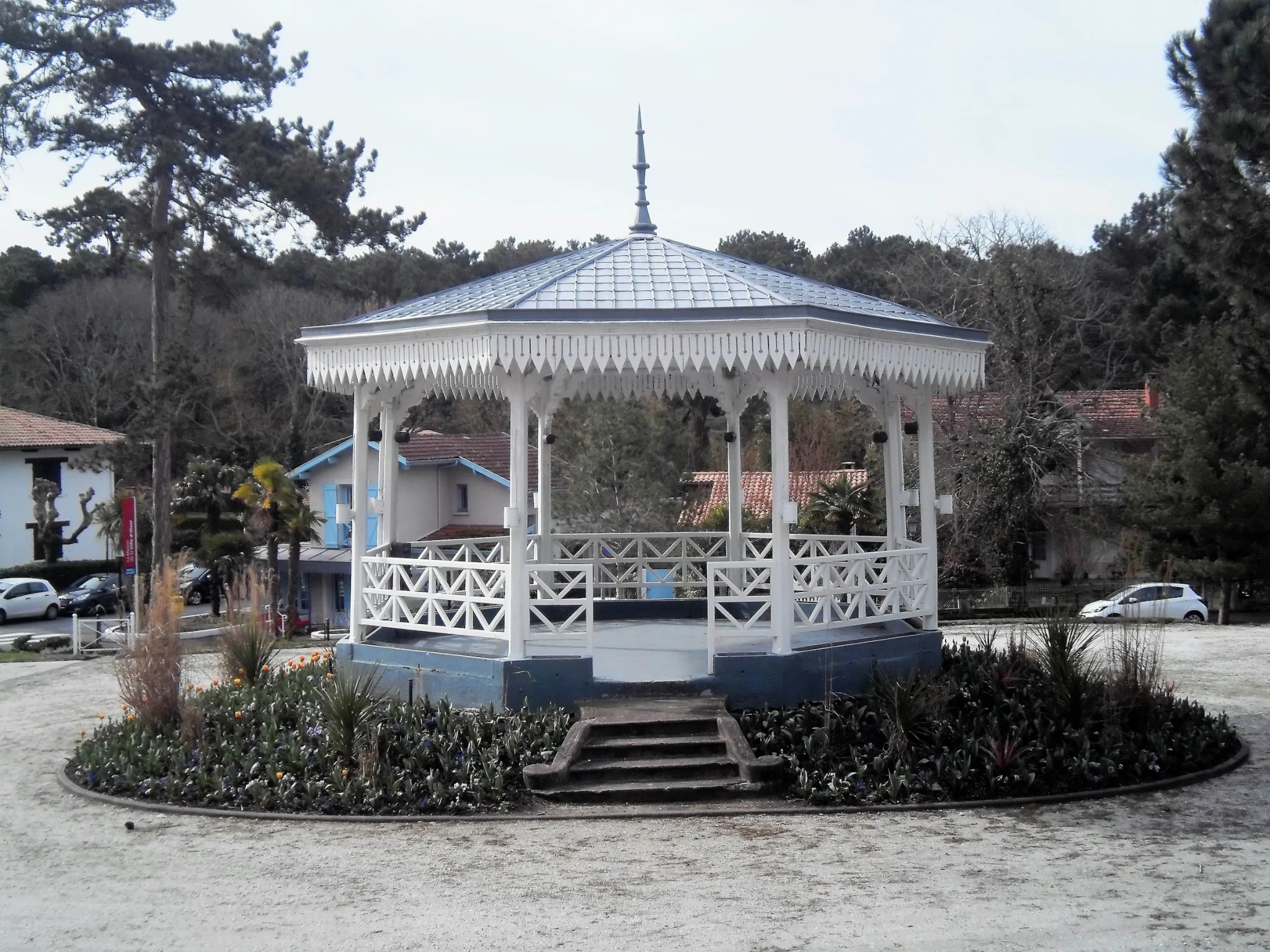
A pergola is a structure of posts supporting beams and rafters, with an open or slatted roof that filters sunlight. A gazebo is a freestanding structure with a solid roof, often square, hexagonal or octagonal, that provides full shade and protection from light rain.
- Pergola: partial, filtered shade; open and airy; can be attached to the house or freestanding.
- Gazebo: full overhead cover; a defined, room-like retreat; almost always freestanding.
Shade and sun
A traditional pergola casts striped, dappled shade that moves through the day. That’s lovely for a garden path or a lounge where you want some sun, but on a hot San Fernando Valley afternoon it may not be enough shade for a dining table. You can increase shade by tightening the rafter spacing, adding slats or shade cloth, or choosing a louvered pergola with adjustable blades.
A gazebo’s solid roof blocks the sun completely, which makes it more comfortable for long lunches, reading or keeping cushions and electronics out of direct sun.
Rain and weather
An open pergola won’t keep you dry. If rain protection matters, look at a gazebo, a solid patio cover, a pergola with a polycarbonate or solid insert, or a louvered system that closes into a watertight roof.
Placement and how the structure relates to the house
Pergolas are flexible. They can attach to the house to extend a kitchen or family room outdoors, or stand alone over a patio, spa or garden. Gazebos are typically freestanding destinations: a place you walk out to, set apart from the house, often on a lawn or at the end of a path.
Think about what you’ll actually do there. If you want a seamless indoor-outdoor connection off the back door, an attached pergola or patio cover often makes more sense. If you want a retreat in a corner of the garden, a gazebo can be ideal.
Style and architecture
Pergolas suit nearly any architectural style, from Craftsman and Spanish Revival (often in wood) to modern homes (often in aluminum). Gazebos carry a more traditional garden character, though contemporary flat-roofed and hardtop gazebos exist. A custom gazebo can be designed to echo your home’s roof pitch and materials.
Permits
Permit requirements depend on your city and the structure’s size, height, roof type, attachment to the house and any electrical work. Because gazebos have solid roofs, and attached pergolas connect to the house, both can trigger review. Check with your local building department. In Burbank, Glendale and Pasadena that’s the city’s own department; for neighborhoods like Studio City or North Hollywood it’s the City of Los Angeles (LADBS).
Cost factors
Rather than a single price, both structures depend on size, materials, roof system, foundation and footing work, site access and add-ons like lighting or fans. Solid roofs and more complex shapes generally add material and labor compared with a simple open pergola, but a large custom pergola with a louvered roof can cost more than a modest gazebo. The best way to compare is to price both options for your actual space.
Which should you choose?
- Choose a pergola if you want filtered light, an open feel, a structure attached to the house, or a frame for plants, lights and privacy screens.
- Choose a gazebo if you want full shade, light-rain protection and a defined retreat somewhere in the yard.
- Consider a louvered pergola if you want the flexibility to switch between sun and full cover.
Explore our pergolas and gazebos to see the options in more detail.
Talk it through with GaziBoys
Every backyard is different, and the best answer for your home depends on your space, your sun exposure and how you want to use it. GaziBoys is based in Burbank and works with homeowners across Greater Los Angeles. Request a free estimate or call (747) 344-7727 to talk about your project.